Running a restaurant in Malaysia has never been more expensive. And the biggest line item on most owners' P&L isn't rent or ingredients, it's people. If you've been dealing with rising wages, foreign worker permit headaches, and staff walking out mid-shift with no notice, you're not alone. Every F&B operator in Malaysia right now is having the same conversation.
This guide covers practical, grounded approaches to cutting labor costs without turning your restaurant into a cold, robotic experience. The goal isn't to get rid of people. It's to use your team's time and energy more wisely.
Understanding what restaurant labor actually costs in Malaysia
Most owners think of labor cost as just the monthly salary. But when you add up EPF contributions at 13%, SOCSO, EIS, annual leave payouts, sick leave coverage, and recruitment costs when someone quits, the real cost of an employee is noticeably higher than what's on the payslip.
Then there's the foreign worker side. Applying for a permit involves a levy, medical screening, insurance, and months of waiting, and that's assuming the application actually goes through. Many restaurant owners get stuck in a loop of permits, renewals, and compliance paperwork that chews through administrative time and cash.
The F&B sector also has some of the highest staff turnover rates of any industry in Malaysia. When a server leaves, you're not just losing their output. You're absorbing the cost of recruiting, onboarding, and training their replacement, often while running short-staffed in the meantime.
Practical ways to lower labor costs right now
1. Redesign your workflow before hiring
Before you bring on another person, map out what your current team actually does hour by hour. In most restaurants, a big chunk of front-of-house hours goes to repetitive, low-skill tasks: carrying plates from kitchen to table, collecting empty dishes, shuttling drinks back and forth.
These tasks don't require a trained hospitality professional. They require reliable, consistent physical effort. That's exactly where process redesign or automation can free up your skilled staff for the work that actually matters: taking orders, handling complaints, building rapport with regulars.
2. Cross-train your team
One of the easiest wins is reducing your dependency on specialised roles. When team members can cover multiple stations, cashier, server, kitchen assist, you need fewer people on the floor during slow periods and you're less exposed when someone calls in sick.
Cross-training also tends to reduce turnover. Staff who feel capable across different roles feel more valued and are more likely to stay.
3. Schedule based on actual data
Most restaurants are overstaffed during slow periods and scrambling during rushes. If you're using a POS system, pull your hourly transaction data by day of week. You'll likely find clear patterns that let you schedule with more precision, fewer staff during quiet mornings, extra hands during the Friday dinner rush.
Scheduling tools like Deputy, or even a well-structured spreadsheet, can make a real difference here.
4. Reduce turnover by investing in conditions
This sounds counterintuitive when you're trying to cut costs, but high turnover is expensive. An employee who stays two years instead of six months saves you multiple rounds of recruitment, onboarding, and the productivity dip that comes with every new hire.
Small investments, a clear break schedule, consistent shift timings, fair treatment during rushes, can meaningfully improve retention without a major wage increase.
5. Use technology for repetitive tasks
This is where automation comes in, and it's worth being clear-eyed about what it actually does. Automation isn't about replacing your staff. It's about removing the repetitive, physically tiring tasks so your team can focus on work that requires human judgment.
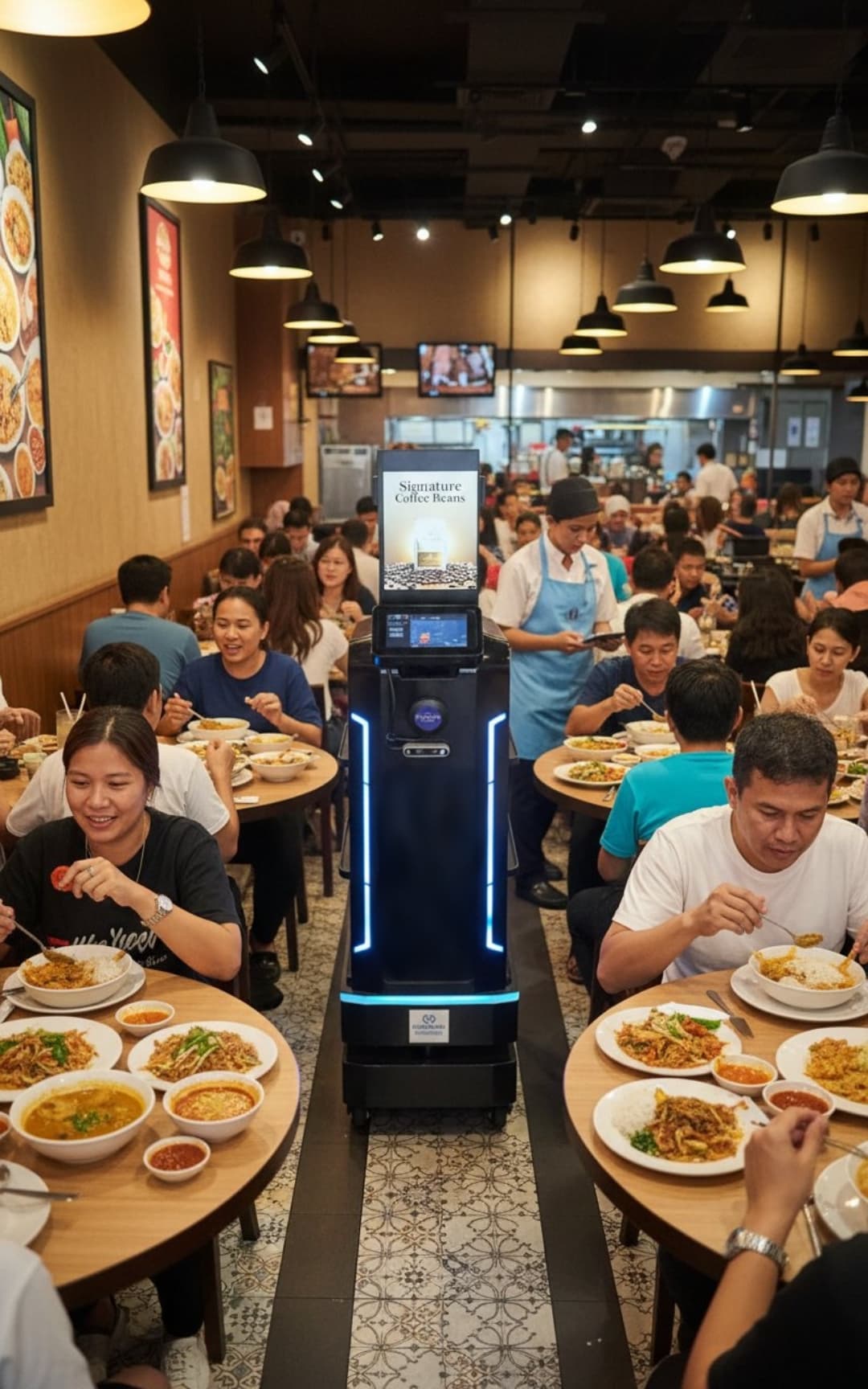
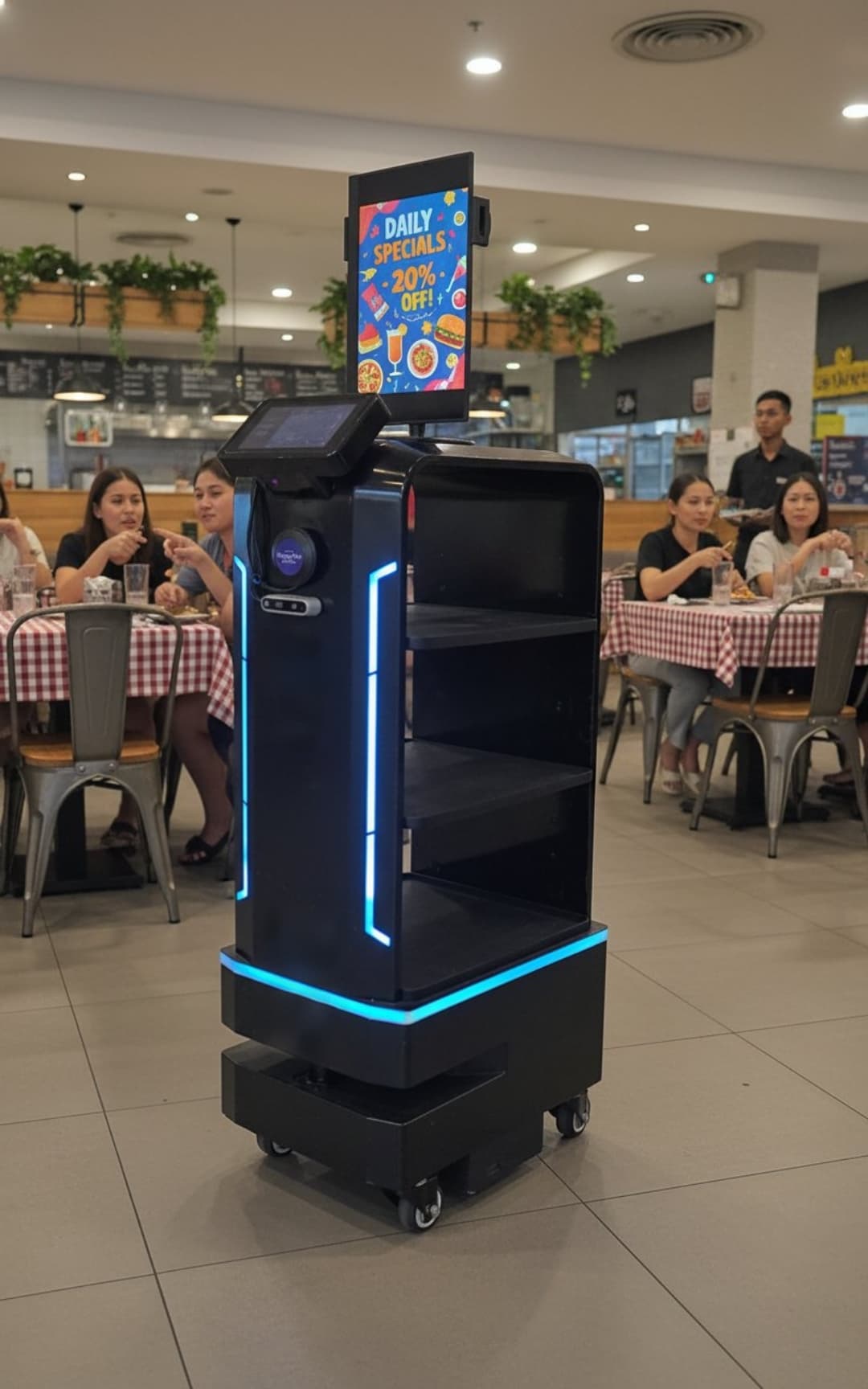
For front-of-house operations, food delivery robots are one category worth looking at. The FL1 by FoodLink System is built for Malaysian restaurant environments. It handles the round-trips between kitchen and table, freeing your servers to spend more time at the table itself. One robot can handle what typically takes two or three food runners in terms of plate movement, so you may be able to run a leaner team without dropping service quality.
The FL1 also has built-in upselling features, so it's not just cutting a cost, it can generate additional revenue through AI-prompted suggestions at the table. There's more on why that matters on our Why FoodLink System page.
It's not a magic fix, and it's not right for every restaurant. But for operators running consistent volume with a tight layout and high table turnover, it's worth understanding before your next round of hiring.
6. Review your menu for labor intensity
Some dishes cost far more to produce than their margin justifies, not because of ingredient cost, but because of the preparation time required. A menu audit that maps your most labor-intensive items against their actual profit contribution can reveal opportunities to simplify without cutting what customers actually love.
What about foreign workers?
The foreign worker permit system is a real operational constraint. Permits get delayed, quotas fill up, and the administrative burden falls on the employer. Many restaurant owners rely heavily on foreign workers for kitchen and floor roles, which creates real exposure when permits don't come through or renewals drag on.
Some operators are responding by restructuring operations to require fewer total headcount while maintaining capacity, using better workflow design, cross-training, and targeted automation in the highest-volume tasks.
This isn't about avoiding local hiring. It's about being deliberate with every role you create, and making sure each person on your team is doing work that genuinely requires a human.
Getting started
If you're staring at your labor costs and feeling stuck, the practical first step is an honest workflow audit. Map what each staff member actually does during a typical shift. Identify the repetitive physical tasks. Then decide, for each one, whether it requires a human, or whether it could be handled differently.
From there, the right combination of scheduling improvements, cross-training, and automation will look different for every restaurant. There's no one-size-fits-all answer.
If you're curious whether an AI food delivery robot makes sense for your setup, reach out to us directly. We'll give you a straight answer, including if we think it's not the right fit.
Frequently Asked Questions
Q: Is it worth investing in restaurant automation when margins are already tight?
The short answer depends on your volume. Automation tools like food delivery robots have a monthly lease cost, so the numbers only work if you're running consistent table turnover. For restaurants doing steady lunch and dinner service, the reduction in food-runner headcount often offsets the lease cost. For quieter operations, manual staffing may still be more economical.
Q: Does using a robot mean I need fewer staff overall?
Not necessarily fewer staff, but potentially fewer people doing low-skill repetitive tasks. Many operators find they can redeploy existing team members to roles that improve customer experience rather than cutting headcount entirely.
Q: What are the EPF and SOCSO contribution rates for Malaysian employers?
Employers contribute 13% of employee wages to EPF (for employees below age 60) and varying amounts to SOCSO depending on the wage bracket. Check the KWSP and PERKESO official websites for current rates, as these are updated periodically.
Q: How do I handle staff shortages during peak hours without over-hiring?
Part-time hiring for peak shifts is one approach. Another is restructuring your floor operations so fewer people can cover peak volume, using food delivery robots for plate movement means your full-time servers can handle more tables simultaneously.
Q: Are there government incentives for restaurant automation in Malaysia?
There are periodic SME digitisation grants and automation incentives offered by agencies like SME Corp and MDEC. These change regularly, so it's worth checking with your accountant or the relevant agencies directly to see what's currently available.